Rules
Celebrity Memorial Service Etiquette: What Fans Should Know
Celebrity memorial service etiquette, from bag checks and free ticket lotteries to city permits, dress codes and the records you can request afterward.
What to take away
Celebrity memorial service etiquette starts with one fact: a public memorial is somebody's funeral, held in a rented building, and the family, the venue and the city each set terms that fans are expected to follow. What changes from one event to the next is who holds the tickets, which agency issues the permits, and which records the public may request afterward.
- A public memorial is a permitted event, so the venue's posted rules and the promoter's screening terms control what you can carry inside.
- Photography is usually allowed outside and restricted inside, and a family request to stop filming is enforced by staff, not by goodwill.
- Tickets, when they exist, are free or near free and are almost always allocated by lottery or registration rather than sold at the gate.
- Local ordinances govern the sidewalk, the parking lot and the street closure, and police can clear a crowd that a venue cannot.
- Flowers and gifts go to the family's chosen address or charity, never to the venue, and condolence cards follow the same route.
- A child needs a ticket of their own where tickets are required, and a public viewing is a line you keep moving through.
- Anything you post from the line can outlive the service, so treat images of grieving family as you would want your own treated.
The venue sets the rule, not the fan
A memorial for a public figure is a private event held in a rented building. That single fact decides most etiquette questions. If you are not on the list, you are not in the room, no matter how the day feels.
Arena Memorial Entry Rules
- Clear bag policy enforced
- Bag size capped
- No outside food
- No professional cameras
- No signs on poles
- Read venue page before travel
The Staples Center memorial for Kobe Bryant in February 2020 was ticketed, with registration required and a limited number of seats. The arena published bag and screening terms in advance. Michael Jackson's public memorial used the same building in July 2009, with free tickets allocated by lottery rather than sold at the gate.
Whitney Houston's funeral in February 2012 was held at New Hope Baptist Church in Newark, New Jersey, and stayed invitation-only, with fans kept behind barricades on the street outside. Aretha Franklin's public viewing in August 2018 was held at the Charles H. Wright Museum of African American History in Detroit, a free and open line that drew long queues of fans. The Apollo Theater in Harlem has run public memorials and tribute programs under its own house rules for decades, and it hosted a public tribute to Michael Jackson in 2009.
Read the venue page before you travel. US arenas generally follow a clear bag policy, cap bag size and ban outside food, professional cameras and signs on poles. Those terms cover crowd safety and sightlines, and they apply to a memorial as they do to a concert.
Photography, phones and the family's request
Outside the doors, on a public sidewalk, you can generally photograph what any passerby can see. Inside, the promoter's terms govern. Most US venues bar detachable-lens cameras, tripods and selfie sticks, and many ask that phones stay down during the service itself.
When a family asks for no filming, staff enforce it. Ushers will ask you to stop, then to leave, and a refusal can end with a trespass warning that follows you off the property.
Example: a typical screening line at a US arena
A typical screening line
- Arrive at the time printed on your registration, not earlier, because the plaza is often closed until then.
- Pass through a metal detector and a bag check, with prohibited items surrendered at the door.
- Show photo identification matching the name on the registration.
- Take the assigned section from staff, since open seating is rare at a memorial this size.
Free tickets, lotteries and the resale trap
Memorial tickets for major figures are typically free and distributed by lottery, registration or first-come signup. Resale is the common failure. A free ticket sold on a secondary site is often void at the door, and some venues scan the original registrant's name. If you cannot attend, release the ticket through the official channel rather than selling it.
For the records side of these events, including how notices and citations are collected, see what anniversaries and archives actually cover.
Sidewalks, gatherings and city permits
A memorial inside a building does not license a gathering outside it. Cities require permits for assemblies that block a sidewalk or street, and police can direct a crowd to disperse. New York City routes sidewalk and street gatherings through its Street Activity Permit Office, and Los Angeles issues special event and street-use permits through its city departments before a closure is approved. Both publish the application and the closure notice, so check the city's own page rather than a fan account.
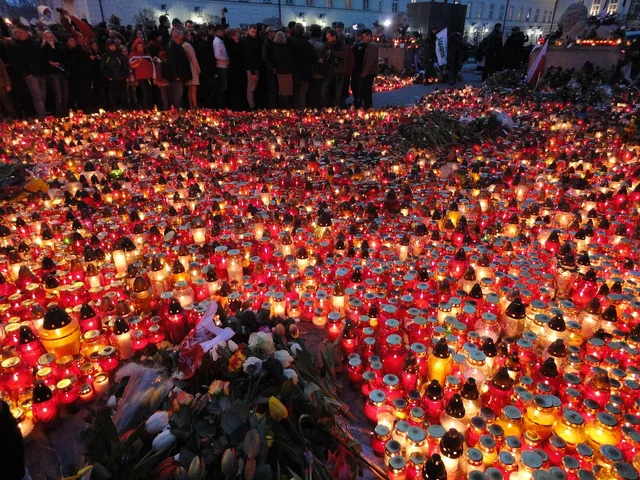
Candles, balloons and temporary shrines on public property are usually removed within a set number of days. Check the city's parks or public works page before you leave a tribute, and take the item home if the notice says so.
Dress, conduct and the people beside you
Wear what you would wear to a serious service in that city. Dark, plain clothing is the safe default, and a team jersey is acceptable at a sports memorial where the family asked for it. Arrive sober, stay seated during remarks, and keep applause for the moments that invite it.
Do not approach mourners in the row. Family and close friends are working through the day in public, and a stranger's greeting adds weight rather than comfort.
The same restraint applies to what you publish afterward. If you are gathering facts about who died and when, read the verification steps in how to research an athlete's death without repeating a rumor before you post.
Flowers, gifts and condolence cards
Flowers and gifts belong with the family's own arrangements, not with a public memorial. When a family asks for donations in lieu of flowers, that request goes to the charity it names; an arrangement sent to a rented arena is usually turned away at the loading dock. A condolence card goes to the address the family or the funeral home publishes, and a card sent to the venue is not forwarded to anyone.
For a public figure, the practical alternative is a note in the online memorial book the family or the archive keeps, or a donation to the named cause. If you are unsure whether tributes are welcome, follow the statement released by the family or its representative rather than a fan page.
Children, public viewings and processions
A child needs a ticket of their own at a ticketed memorial, and some venues set age policies for the service itself. Check that policy before you bring a child into a long screening line or a ceremony that runs for hours.
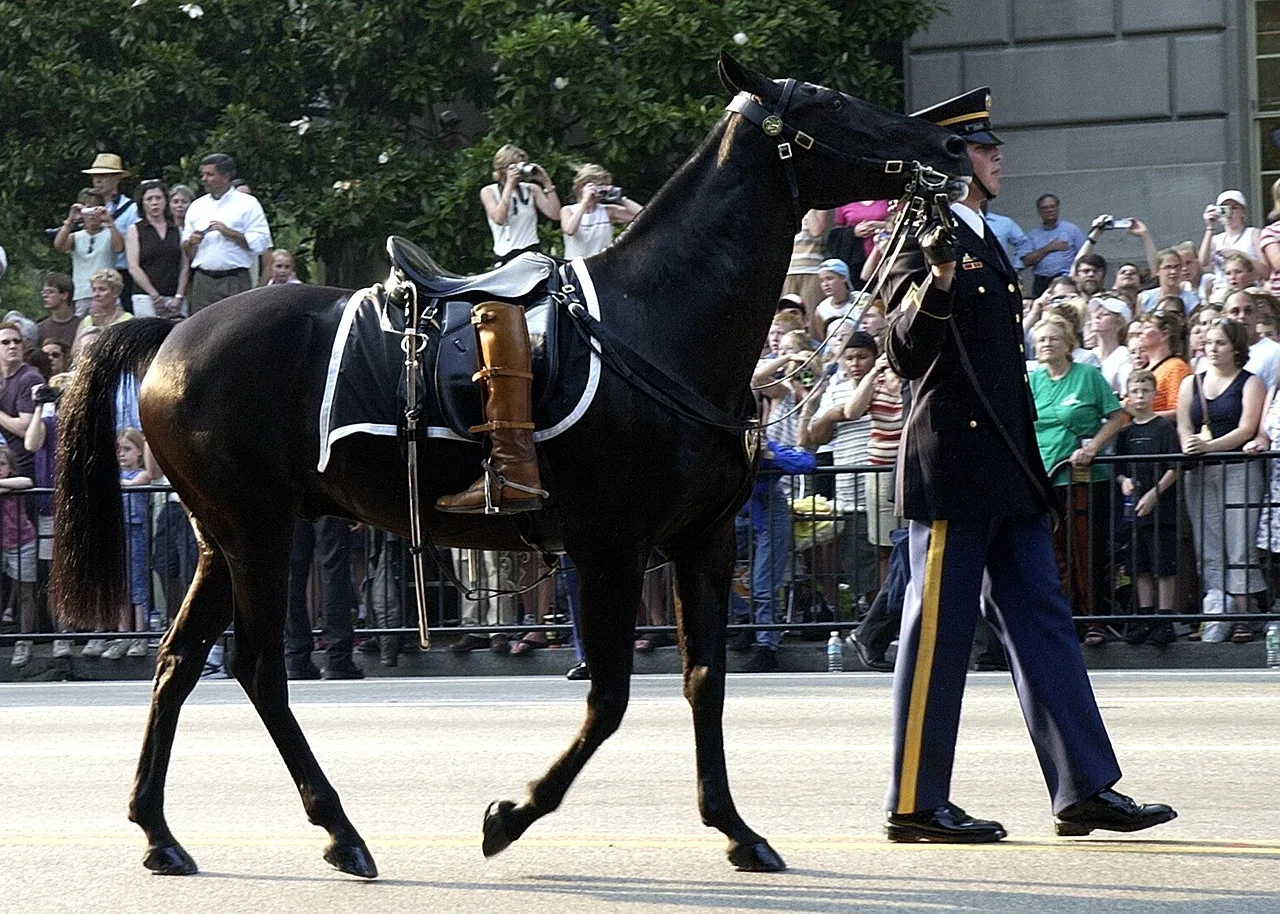
A public viewing or lying-in-state is a line, not a gathering. Keep moving, keep phones down, and do not stop in front of the casket or the family. A procession follows a published route: fans stay behind the barricades on the sidewalk and do not walk in the street or follow the motorcade by car.
Records, privacy and what you can request later
After the service, interest often shifts to documents. Death certificates are state-held, and access varies widely, as the National Archives explains in its guidance on vital records. The National Center for Health Statistics maintains the directory of state offices that issue them, "Where to Write for Vital Records." Some states release a certificate to any requester; others restrict it to family or to those with a legal interest, and California requires an authorized requester to sign a sworn statement under Health and Safety Code section 103526 before a certified copy is issued.
If a record contains an error, the correction path runs through the issuing state or agency. An amendment or correction form goes to the vital records office that issued the certificate, not to the funeral home or the cemetery. The federal page on correcting government records explains the general process and points to the right office.