
Rules
5 points worth checking on deaths today this week
Deaths today this week: the states a death report passes through at a records desk, what verified means at each one, and how corrections differ from withdrawals.
Reader confusion about deaths reported today and this week comes from not seeing which state an item is in. A heard report looks exactly like a confirmed one from outside. The desk knows the difference, but the reader usually does not.
This article names five points to check on a death reported today or this week, with the records and indexes that settle each one. No person is named here and no death is reported.
What to take away
- Five points settle most questions about a death reported today or this week: the record behind the post, the confirmation date, the first named source, a death index and its limits, and any dated correction or withdrawal note.
- Most items never leave the held state. That is the system working.
Five points to check on deaths reported today or this week
The table lists the record that settles each point. The five points are set out below it.
Five points to check
| Point | Record that settles it | Where to look |
|---|---|---|
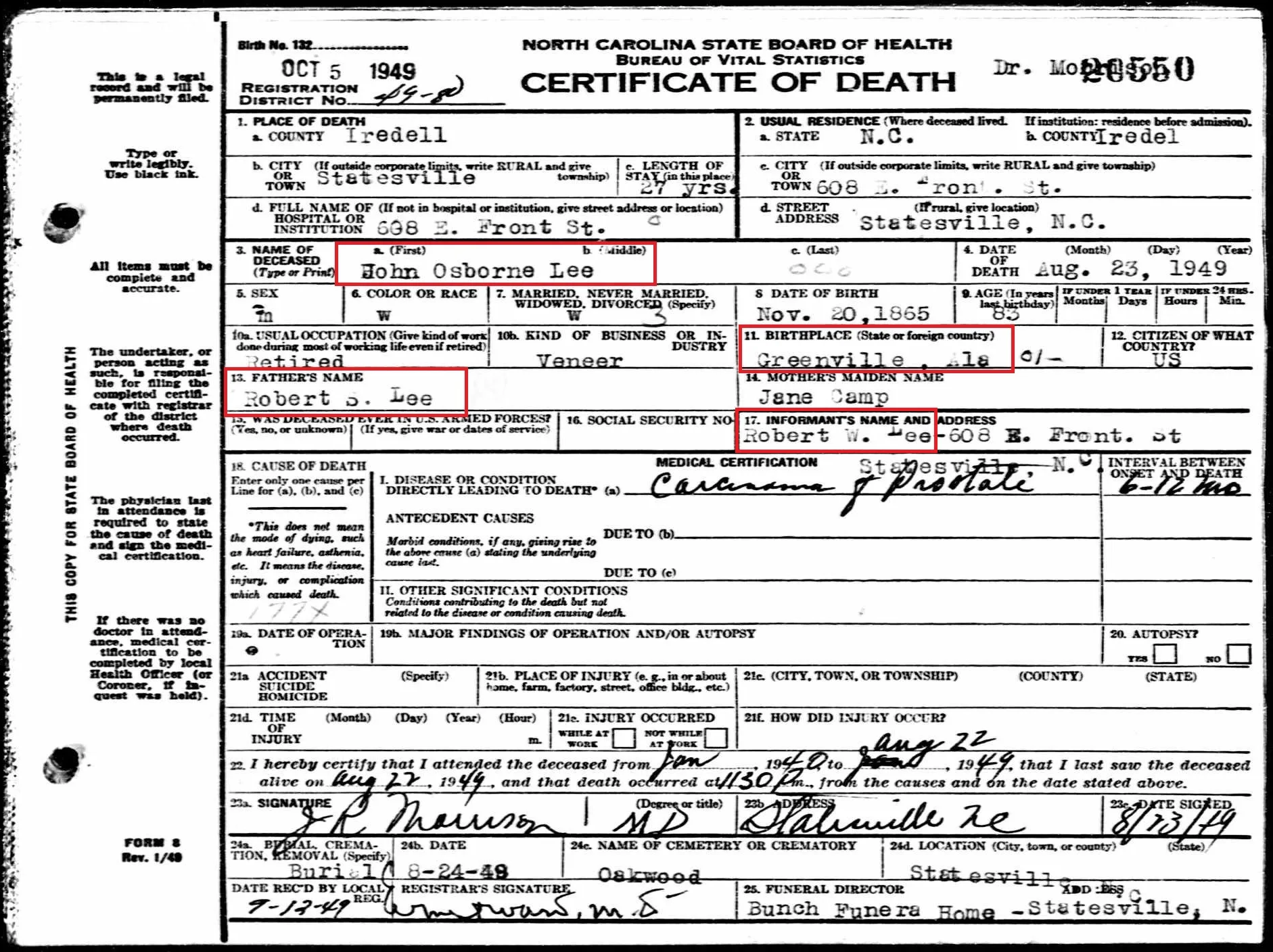
| 1. The record behind the post | Death certificate | State vital records office or county clerk; California Department of Public Health and Texas Department of State Health Services are examples |
| 2. The confirmation date, not the death date | Provisional death counts | CDC WONDER, posted weekly by the National Center for Health Statistics |
| 3. The first named source | Family statement, funeral home notice, institutional statement | Funeral home, Legacy.com, local newspaper |
| 4. A death index, and its limits | Limited Access Death Master File | NTIS, to certified users; open state death indexes; CDC WONDER |
| 5. A dated correction or withdrawal note | Dated note on the entry | The page itself; ask the desk |
1. The record behind the post.
A wire item, a social post, an email, or a reader's note puts a report in the heard state, and nothing more. To check it, go to the record instead of the post.
Certified copies typically cost $10 to $25 each in most states and arrive in days to weeks. The CDC's Where to Write for Vital Records listing gives each state office and its current fee.
2. The confirmation date, not the death date.
A weekly page is organized by the date a death was confirmed, not the date it happened. An entry dated inside this week can describe a death from last week or earlier.
Official counts lag the same way.
3. The first named source.
An item moves from held to confirmed when someone with direct knowledge establishes the death and the identity. A family statement, a funeral home notice or an institutional statement does that work.
Find a Grave, which Ancestry runs, takes volunteer contributions, so treat a memorial there as a lead and not as proof.
4. A death index, and its limits.
The Social Security Death Master File was long the fastest public index of deaths in the United States. Since 2014 the full file has been closed to public access.
5. A dated correction or withdrawal note.
A changed entry should carry the date of the change and a note of what changed. A withdrawn entry leaves a dated note confirming that an entry was published and withdrawn, plus the reason in general terms.
The Society of Professional Journalists code of ethics asks journalists to acknowledge mistakes and correct them promptly and prominently. If a page shows no such note, ask the desk what changed and when.
The six states a report passes through
Heard. A report has reached the desk from somewhere: a wire, a post, a message, a reader. The desk writes down what was heard, from where, and when. Nothing is published. Nothing is assumed.
States of a death report
- Heard: report reaches desk, nothing published
- Held: looked at, cannot yet be confirmed
- Confirmed: direct source establishes fact and identity
- Published: confirmed item entered on a page
- Corrected: published entry amended and dated
- Withdrawn: published entry removed with dated note
Held. The report has been looked at and cannot yet be confirmed. It stays in the file with its source and date.
Confirmed. A source with direct knowledge has established the fact and the identity. That source is a family member or someone speaking for them, a funeral home, an institutional statement, or a register entry.
The register entry is made under a jurisdiction's own statutory process, of the kind described in the official guidance on registering a death. Two independent routes are better than one. At this point the desk has something it can stand behind.
Published. The confirmed item has been entered on a page, with its sources and the dates on which they were checked. This is the only state a reader sees.
Corrected and withdrawn are the two later states, and the section below sets out how they differ.
How items move during a week
Over any seven days the traffic between states has a shape, and knowing it explains why a weekly page looks the way it does.
How items move in a week
- Early weekDesk hears much, confirms little
- Following daysHeld items resolve via statements and notices
- AlongsidePrevious week's items resolve with this week's
- Some heldTrace to no-standing accounts, close in file
- End of weekHeld file still full, normal condition
Early in the week the desk hears a great deal and confirms very little. Reports are fresh, the people who could confirm them are occupied, and almost everything goes into held.
Over the following days, held items start to resolve: a family statement appears, a funeral notice runs, an institution says something. Each such event moves one item to confirmed, then to published, dated on the day it happened.
A typical sequence, anonymized: a wire item naming a public figure arrives on Monday morning and is logged as heard at 10:15. No direct source confirms it that day, so it stays held.
On Wednesday a funeral home posts a notice with the same name and a date of death, and the item moves to confirmed. It is published on Wednesday afternoon, dated that day.
Items from the previous week resolve alongside items from this one. That is why a weekly page always contains entries about deaths from before its window.
Some held items resolve the other way. A person posts something, a representative issues a denial, and the original report traces to an account with no standing.
These items close in the file with a note, never reach a page, and nothing is published, because publishing a denial of a report the desk never repeated only spreads the report.
At the end of the week, the held file is still full. Most of it will stay full. That is the normal condition and it is not a backlog.
For what a weekly window can and cannot contain, the parent page on deaths this week sets it out.
What "verified" means, by state
Readers ask whether a report is verified as though it were a single property. It is a stage, and the honest answer depends on where the item is.
An item that has been heard is not verified in any sense. An item that has been held was checked and found insufficient, a finding but not verification.
An item that has been confirmed was established by a direct source, which is what verification means. A published item was confirmed before it was published, and its sources are on the page.
When a desk says it "cannot verify" a report, it means the item is held. It does not mean the report is false, and it does not mean it is true. It means the desk does not yet have what it needs, and it will wait.
Corrections and withdrawals are different acts
A correction fixes a field in an entry that belongs on the page. A withdrawal removes an entry that does not. The distinction matters because the two are handled differently and mean different things to a reader.
A corrected entry stays where it is, with the corrected field, a date, and a note of what was changed. The person did die. The record was imperfect and is now better. Readers who saw the earlier version can see what changed.
A withdrawn entry leaves the list. What remains is a dated note that an entry was published and withdrawn, plus the reason in general terms.
This is the most serious event a desk can have. It usually means a living person was listed among the dead, or that a death was attached to the wrong person. The note stays so anyone who copied the original can find the withdrawal and so the desk's own record shows what happened.
Neither is done silently. That is not a house preference: standing commitments such as Associated Press statement of news values and principles undertake to acknowledge errors openly rather than to edit them away.
Keeping the file
Every item has a source, a date heard, a current state, and a note of what would change it.
The states described here begin on the first day, and deaths today explains why almost nothing leaves the heard state on that day.
The same lag pushes late-year confirmations into the following year's record, which deaths by year takes up. For why the cause field stays empty through every state, see cause of death guides.
Common questions
What are the five points to check first?
Those five are the record behind the post, the confirmation date, the first named source, a death index and its limits, and any dated correction or withdrawal note. Each has a record or an index that settles it.
A report has been circulating for days and is not on the weekly page. Has it been rejected?
Probably not. It is most likely held, which means the desk has no direct source yet. Rejected items are closed in the file and never published; held items wait.
If the desk knows a report is false, why not say so?
Because publishing a denial repeats the report to people who had not seen it. Where the desk never published the claim, the correct response is to not publish it. Where a person or their representative has publicly denied it, that denial is theirs to make, and it can be pointed to.
What is the difference between a correction and a withdrawal?
A correction fixes a detail in an entry that belongs on the page. A withdrawal removes an entry that should never have been there. Both leave a dated note.
How long can an item stay held?
Indefinitely. Some deaths are never publicly confirmed, and the item stays in the file with its last known state.
Why does a weekly page include deaths from before the week?
Because the page is organized by the date of confirmation, and confirmations lag deaths by days or longer. An entry dated within the week relates to a death confirmed within it, wherever the death itself falls.