Guides
How to use the Social Security Death Index to check a reported celebrity death
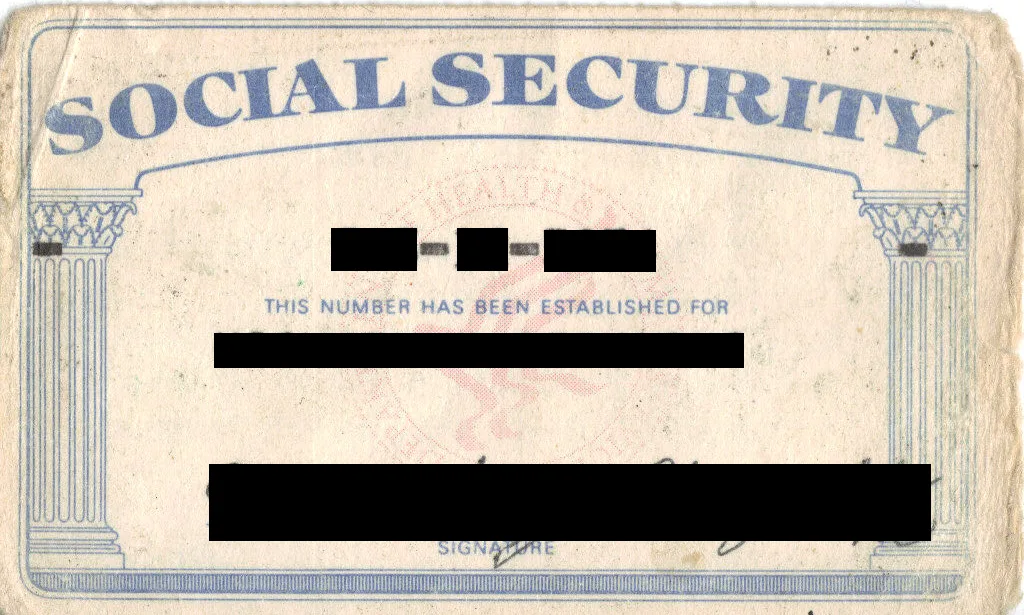
The public Social Security Death Index is closed to most users, so a celebrity death check now runs through an SSA Numident request and a state record.
What to take away
- The Social Security Death Index celebrity death check is no longer a database lookup. The open index closed to most users after 2011, and the Bipartisan Budget Act of 2013 barred public release of death data for numbers assigned after its cutoff.
- The Social Security Administration Numident record is the main federal path, filed under FOIA through the agency's online form or by mail. SSA sets a 20 working day response target, and record retrievals often take longer.
- A Numident confirms SSA treated the person as deceased. It carries no cause of death, no place of death and no legal certification.
- A state death certificate or a coroner's report is the record that states cause and place. The CDC's Where to Write for Vital Records pages list the office, fee and eligibility rules for each state.
- Log every request, response date and citation, and state plainly in the archive entry what remains unconfirmed.
What the Social Security Death Index was, and why the open version closed
The Social Security Death Index was a public extract of the Social Security Administration's death records. Genealogy sites and newsrooms searched it by name, birth date and Social Security number to confirm a death.
It was never a national death registry. It held deaths reported to SSA, mostly where a survivor or a funeral home claimed a benefit.
The underlying file became a commercial product. Banks, insurers, pension funds and genealogy companies bought it to screen for deceased account holders. In 2011 SSA restricted the full file to curb identity fraud using dead people's Social Security numbers.
Congress followed. The Bipartisan Budget Act of 2013 barred public disclosure of death information for anyone whose number was assigned after the law's cutoff. SSA also stopped releasing state death records it held under confidentiality contracts.
The open index most readers remember no longer exists in that form.
What remains is a limited extract covering a shrinking share of deaths, mostly older records. Commercial and government users can obtain fuller versions under certification and audit rules. Ordinary readers, journalists and archive volunteers cannot.
That matters when you check a reported celebrity death. A blank result on a free genealogy site is not evidence the person is alive. The record may be restricted, never reported, or held in an old copy of the file.
Treat a negative result as a gap, not a finding.
Timing compounds it. Deaths reach SSA through benefit claims, funeral home reporting and state agreements, and the lag varies by months. For a breaking story the federal file is usually the slowest source, not the fastest.
State and local records fill that gap. A county medical examiner, a state vital records office or a probate filing often documents a death long before SSA processes it.
Start there on a fast story and use federal records to corroborate later. Our guide on how to search and verify the records of actors who died walks through that sequence.
One limit is worth stating plainly. The index carries identifiers, not narrative. It will not tell you how someone died or whether a body was identified. Those facts sit with coroner and vital records offices, which is why a federal hit starts confirmation rather than ending it.
How to file a FOIA request for a Numident record
The Numident is SSA's record of a Social Security number application and later changes. It typically shows the name, date and place of birth, parents' names, the date a death was reported, and the death residence ZIP code.
FOIA Numident Request Steps
- Confirm death in another source first
- Gather identifiersname, birth, parents, SSN
- Submit via SSA FOIA online form or mail
- Explain purpose and request fee waiver
- Keep acknowledgement letter and tracking number
SSA publishes its procedures on the Make a FOIA Request page, which lists the online form, mailing addresses and the information you must supply. The agency explains what it releases and withholds in its FOIA Guide - Social Security Administration. Read both before you file.
SSA takes requests through the online form on its secure site at secure.ssa.gov/foia/foiaRequest, or by mail to the Social Security Administration, Office of Privacy and Disclosure, 6401 Security Boulevard, Baltimore, MD 21235.
How to file a FOIA request
- Confirm the death in another source first, such as a state death certificate, a coroner's statement or a funeral home notice. SSA will not run a search on a hunch.
- Gather identifiersfull name as it appears in SSA records, date and place of birth, parents' names, and the Social Security number if it has been published. The number speeds processing but is not always required.
- Submit through the SSA FOIA online form or by mail. State that you want the Numident record and any death information in it.
- Explain your purpose and your fee category. SSA does not bill when the total fee comes to $25 or less, and it can waive fees for journalists and nonprofit researchers, but you must ask and justify the waiver.
- Keep the acknowledgement letter and tracking number. A follow-up is easier with a case number, and SSA cannot chase a request you cannot identify.
- Inspect the response for redactions. SSA withholds some identifiers and records covered by confidentiality agreements.
SSA's FOIA guide sets a target of 20 working days for a response. Numident retrievals often run past that figure, and two to six months from filing is a realistic planning range. SSA may also invoke an exemption that removes the field you wanted.
A partial denial usually names the exemption and your appeal rights, and the letter states the deadline.
Where the Social Security number was never published, the request is harder but not impossible. SSA can sometimes locate a record from a full name, birth date and place of birth, though common names produce false matches. Give parents' names and any earlier name changes.
If the request stalls, the National Archives and Records Administration holds some SSA records transferred for permanent preservation. SSA's FOIA reading room may already hold released Numident records for well-known people. Check those before filing fresh.
Inside a Numident record: which fields confirm a death
A Numident is a form, not a narrative. Knowing which fields carry weight keeps you from overreading it.
Numident Fields: Confirms vs. Does Not
Field
- Date of death
- SSA received death report
- Death residence ZIP
- Where lived when reported
- Name and DOB
- Identity match
- Parents' names
- Strong identity check
- Death indicator code
- SSA treats number as deceased
Confirms
- Date of death
- Cause, place, manner
- Death residence ZIP
- Where death occurred
- Name and DOB
- No one else shares details
- Parents' names
- Family relationships beyond application
- Death indicator code
- Legal certification of death
Does Not Confirm
- Date of death
- Death residence ZIP
- Name and DOB
- Parents' names
- Death indicator code
Inside a Numident record
| Field on the record | What it confirms | What it does not confirm |
|---|---|---|
| Date of death | SSA received a report that the person died | Cause, place or manner of death |
| Death residence ZIP code | Where the person lived when the death was reported | Where the death occurred |
| Name and date of birth | Identity match with the person you are checking | That no one else shares those details |
| Parents' names | Strong identity check on a common name | Family relationships beyond the application |
| Death indicator code | SSA treats the number as deceased | Any legal certification of death |
The date of death field is the one most often misread. It reflects when SSA processed or accepted a death report, which can differ from the actual date by days or weeks. Funeral homes and family members supply the date, and errors are common. Never publish a Numident date as the official date of death without a second source.
The death residence ZIP code is a mailing address area, not a place of death. Someone who died in a hospital in another state may still show the home ZIP code. If a story turns on where someone died, this field will not settle it.
The record lists no cause of death, no certifying physician, no funeral home and no burial site. Those belong to the death certificate and the coroner file. Plan a separate request through the office that holds them, which our coroner report search guide covers.
Redactions matter too. SSA may black out the Social Security number, parents' names or parts of the application history. A redacted record still shows the death indicator, but it weakens the identity match. Note in your archive entry which fields were released and which were withheld.
Numbers on the Numident are not a death count. One person can generate several records through name changes or corrections, and one record can carry several entries. Read the whole document before drawing a conclusion from any line.
Why the death file omits some deaths and carries others in error
The death file is a working record, not a register. It was built for benefit administration and fraud screening, so its contents reflect administrative needs rather than complete vital statistics.
Omissions happen for several reasons. A person who never applied for a Social Security number has no Numident and cannot appear. A death never reported to SSA stays out, which is common when no survivor claims benefits and the funeral home does not report. A death that occurred outside the United States may never reach SSA at all.
Records covered by state confidentiality agreements are withheld, and so are deaths of people whose numbers were assigned after the 2013 cutoff.
Errors run the other way. Keying mistakes put wrong death dates on living people, a problem documented often enough that SSA maintains a correction process. A transposed digit in a Social Security number can attach a death to the wrong person. Duplicate records appear when a name change or a reissued number creates a second entry.
A file extract published in a given month reflects reports processed before that month, sometimes well before. Anyone searching a commercial copy may be reading data that is months or years old.
For celebrity checks these flaws cut both ways. A false death entry can make a living person look deceased, which is exactly what feeds a hoax.
A missing entry can make a real death look unconfirmed. Either way, the file alone cannot carry the claim.
Our death hoax check guide covers the patterns that separate a real report from a recycled rumor.
Access rules add another layer. Some states restrict their own death records more tightly than others, and SSA's file reflects those agreements unevenly.
The same kind of death may appear in one case and be withheld in another, with no notice to the person searching. Our breakdown of state death record seal rules explains why access differs so much from state to state.
Comparing a federal result with a state death certificate
A state death certificate is the document that legally records a death. It is filed with the vital records office in the state where the death occurred, and it carries the cause of death, the certifying physician or medical examiner, the place of death and the disposition of remains.
Where a federal file gives you an indicator, a certificate gives you a record.
Start with the CDC's Where to Write for Vital Records - Homepage, which lists the office, address, fee and requirements for each state. The companion Where to Write for Vital Records - Application Guidelines page explains who may request a certificate and what identification or relationship proof an application needs.
Expect differences between the two documents, and treat them as information rather than contradictions.
Federal Numident vs. State Death Certificate
Aspect
- Date of death
- SSA processing date
- Place of death
- Residence ZIP code
- Name
- SSA records name
- Cause of death
- Not listed
- Access
- FOIA request
Federal Numident
- Date of death
- Physician/coroner certified date
- Place of death
- County and facility
- Name
- Legal name may differ
- Cause of death
- Certified cause
- Access
- State vital records office
State Death Certificate
- Date of death
- Place of death
- Name
- Cause of death
- Access
The pattern across states varies widely. California issues informational copies to the public but restricts certified copies to authorized requesters.
New York runs separate offices for New York City and the rest of the state, with different rules.
A check that works in one state may stall in another.
Where a certificate is sealed or restricted, a coroner's report, a probate filing or a published funeral home notice can carry the confirmation instead.
Funeral homes often publish a notice with the date of death and burial arrangements, and the National Funeral Directors Association and state boards can identify the handling firm.
None of these replaces a certificate, but together they build a chain a reader can follow.
Some deaths never surface in federal files even when family and state records agree on what happened. When the federal search comes up empty, shift the burden to local sources: a coroner or medical examiner's office, a probate filing, a cemetery record or a notice from a licensed funeral home.
Two independent records of that kind usually carry more weight than a lone federal hit. They describe the event rather than an administrative code.
Watch for the hoax pattern in reverse. A rumor that a celebrity died often circulates with no record at all, then gets repeated by sites that cite each other.
If your only sources are aggregator pages with no underlying document, you have verified nothing. Our guide to California death certificate facts shows how one state's records look when a real death is documented.
For a celebrity the check usually has three parts. Confirm the death in a state or local record. Confirm the identity through the Numident or another federal match.
Then confirm the details you plan to publish against the certificate or coroner file. Skip the middle step and you may match the wrong person.
Skip the last and you may publish a date or place no record supports.
Take a documented case. Elvis Presley died in Memphis in August 1977, and the three-part check holds on him. A Tennessee certificate of death records the date and place.
His entry in the Social Security death records extract shows a Memphis residence ZIP code and a date of death in August 1977. A published funeral notice names the funeral home and the burial. Three record types, three origins, one conclusion.
Documenting your check so the archive entry cites a real source
An archive entry is only as good as the trail behind it. Record what you asked for, when you asked, what came back and what it proves. That trail lets a reader repeat your check and lets a later editor correct the entry if a record changes.
Documenting a Death Check
- Reported death, date seen, outlet
- State/local recordoffice, request, response dates
- Numident/FOIA requesttracking number, fields
- Death certificate/coroner recordfile number, fields
- Identity match details tying record to person
- Source URLs with access dates
- Statement of what remains unconfirmed
Keep the raw documents, not just your notes. A scanned certificate, a FOIA response letter and a screenshot of the original report are the evidence. Notes alone cannot be checked.
Write the entry so the sourcing is visible. Name the office, the record type and the date. A citation looks like this: Tennessee Department of Health, Division of Vital Records, certificate of death, August 1977.
A second line cites the federal response: Social Security Administration, Office of Privacy and Disclosure, Numident record released under FOIA, with the response date shown on the letter. Avoid phrases like "according to records" with no record named. A reader who wants to verify your work should be able to find the same document.
Set a correction path. If a death report turns out to be wrong, or a certificate is amended, the entry needs a dated note explaining the change. Archives that hide corrections lose the trust that makes them useful.
Finally, separate what a record says from what you conclude. The certificate states a cause of death. Your entry can report that statement and attribute it, but it should not extend it into speculation. That line keeps the archive accurate and keeps you out of the problems that follow unverified claims.
Common questions
Does the Social Security Death Index still exist for public searching?
The full public index closed after 2011 and was further limited by the 2013 law. A restricted public extract remains, but it covers fewer deaths and is not a complete national record.
How long does an SSA FOIA request for a Numident record take?
SSA works to a 20 working day response target, and Numident retrievals often run past it. Two to six months from filing is a realistic planning range. Requests that include a Social Security number and a clear fee category tend to move faster.
Can I get a death certificate for anyone?
No. Each state sets its own eligibility rules, and many restrict certified copies to family members or authorized representatives. Informational copies are more widely available but are not valid for legal use. Check the CDC's Where to Write for Vital Records pages for the state that holds the record.
What if the Numident and the death certificate disagree on the date?
Treat the certificate as the certified record and the Numident date as an administrative processing date. Report the discrepancy rather than choosing one silently.
Is a death file match enough to publish a death?
No. The file has omissions and errors, and it states no cause or place of death. Confirm with a state record or coroner document before publishing.
What should an archive entry do when no federal record exists?
State that plainly, cite the state or local records that do exist, and note what remains unconfirmed. Do not imply federal confirmation you did not receive.