Rules
Citing celebrity death records from archive pages
Citing celebrity death records from archive pages: identify the dated source, note publication and revision dates, and keep a log of changes.
What to take away
- For citing celebrity death records, build the citation from the archive page plus the dated record behind it, never from the page alone.
- Put the site name, exact page title, publication date, revision date, access date, and full URL in the note.
- Record the correction historywhat changed, when, and which record forced the change.
- Cite nothing when an entry carries no dated source. Label it unverified instead.
- Name the certificate fields a citation leans onfile number, date and place of death, cause of death, and certifier.
- Check access rules with the state vital records office or the county clerk before you tell a reader a certificate is available.
Choose the page that carries the dated source
Two archive pages can describe one death, whether the record covers an actor, a musician, or an athlete. Cite the page whose first line names a dated record.
Which archive page to cite
Need the fact of death?
Cite the daily list page
Cite the person page for aftermath
A daily page answers who died and how we know. A person page answers what happened afterward. Those are two different claims.
For a daily list, deaths reported today works because each name arrives with the record behind it and a check on any name lacking a source.
For regional comparison, comparing CDC death data with local notices is stronger, since it sets federal counts beside city level memorial notices.
Some readers need both pages. Cite the daily page for the fact of death and the person page for the aftermath.
Keep anchors short in your note. One acceptable footnote begins: Deaths reported today, Memorial Obituary Archive, accessed March 4, 2027.
Citation details for an archive-page note
For a Chicago-style footnote, include the archive name, exact page title, publication date, revision date, access date, and full URL. MLA and APA carry the same elements in a different order and treat the access date differently, so adjust punctuation and order to the style guide you are using.
| Field | What goes in it | Sample value |
|---|
Chicago footnote fields
- Site namethe archive, not a reporter
- Page titleexact title, no shortening
- Publication datethe day posted
- Revision datelast correction or update
- Access datethe day you read it
- URLfull address, no shortener
Filled in for the example below, those fields read: site name, Memorial Obituary Archive; page title, "Deaths today in one sourced place, 2027 edition"; publication date, February 12, 2027; revision date, February 14, 2027; access date, March 4, 2027; URL, memorialobituaryarchive.com/deaths-today.
A bibliography entry drops the access date. It keeps the revision date, because a corrected entry and an original entry are not the same source.
Put the full URL last and never shorten it. A shortener hides the page title that a reviewer needs in order to check your work.
Example: a footnote for a corrected entry
Note 4. Memorial Obituary Archive, "Deaths today in one sourced place, 2027 edition," posted February 12, 2027, revised February 14, 2027, accessed March 4, 2027, memorialobituaryarchive.com/deaths-today. The first posting named a cause the family disputed, and the entry was rewritten after a wire confirmation.
Verify the record before you cite it
Run these steps for every entry you plan to footnote.
- Find the dated source line on the archive page.
- Match that date to a second independent record, such as a state death certificate index, a county clerk's register, or a wire notice.
- Write down every revision date, not only the publication date.
- Save a snapshot of the page, because live pages change without notice.
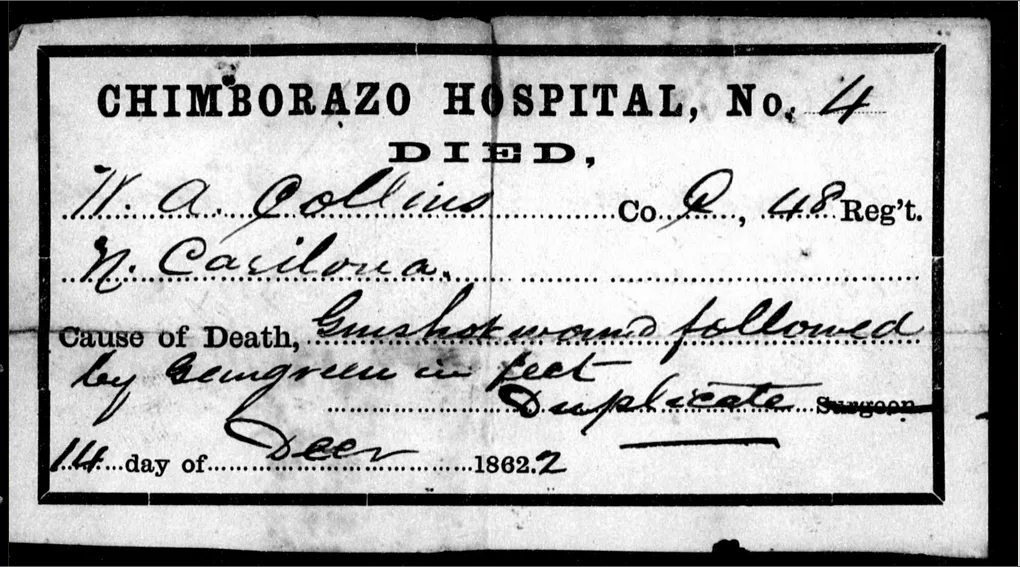
A death certificate holds the identifiers a citation needs: the file number, the date and place of death, the cause of death, and the certifier. Its contents vary by jurisdiction, which is why the office that issued it belongs in the note, usually the state vital records office or the county clerk, working from the U.S. Standard Certificate of Death published by the CDC's National Center for Health Statistics.
State offices hold death records, and the National Archives genealogy notes note that access varies by state.
The page "Athletes who died today" fits this step well, because each entry waits until a reliable record confirms the death before publication.
Keep a citation log
A short log saves hours when an editor asks how you knew a name.
- The URL and the access date for each page you used.
- The revision dates you found, with a one line note on what changed.
- The name of the confirming record, such as a coroner statement or a family notice.
When an entry is withdrawn as a hoax
A withdrawn entry is still citable. Give the publication date, the withdrawal date, and the record that ended the claim.
Death hoaxes repeat a pattern: a plausible claim spreads, aggregators copy it, and the story collapses when a family or a coroner speaks.
For the rumors that follow a death, the archive's cause of death guides explain how a false explanation spreads and what a family can do about it.